A Deep Dive into the Technology Behind Automatic Lubricators
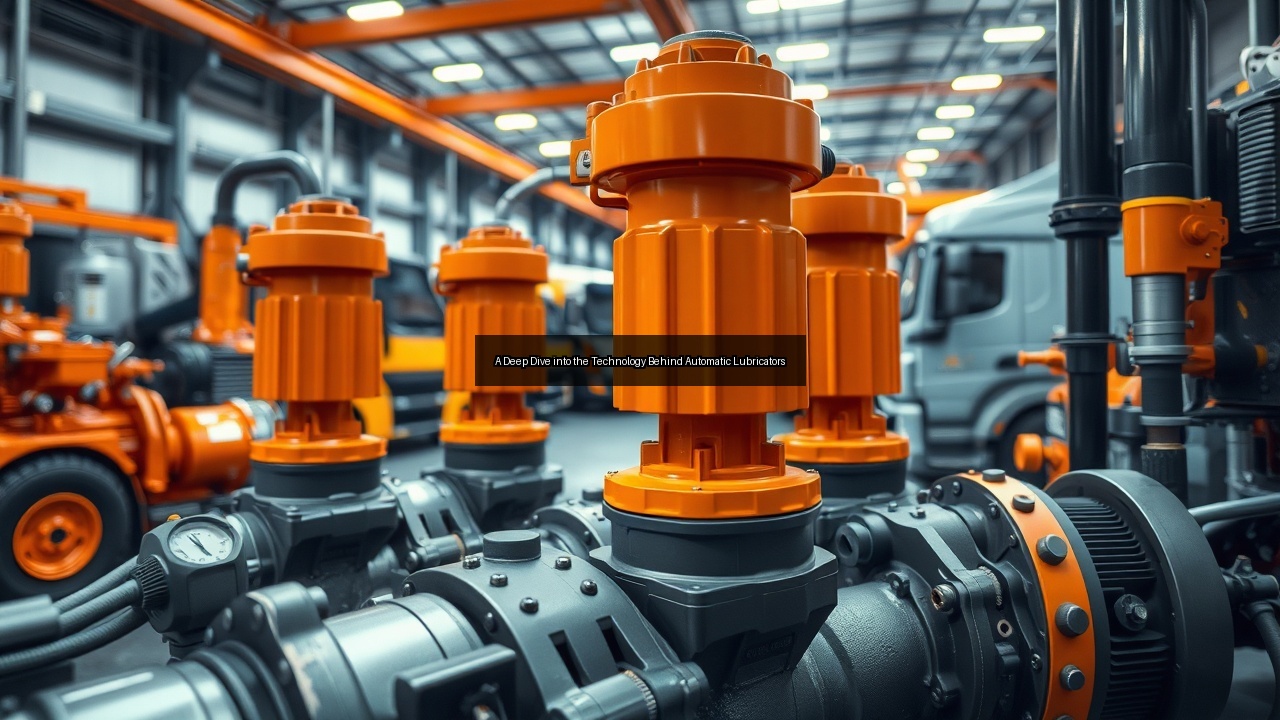
The Fundamentals of Automatic Lubrication Systems
Understanding Automatic Lubricators
Automatic lubricators simplify the complex process of maintaining machinery by ensuring consistent lubrication without manual intervention. These systems operate on the principles of automation, allowing for precise delivery of lubricants to key components such as bearings and gears. The primary goal of an automatic lubrication system is to enhance the efficiency and lifespan of machinery by preventing friction and wear. This automated technology significantly reduces the risk of operator error and ensures that lubrication occurs at the right intervals, even in hard-to-reach areas. Implementing such systems can transform maintenance routines, enabling facilities to maintain peak operational performance while minimizing downtime.
Types of Lubricants Used
Automatic lubrication systems utilize a variety of lubricants tailored to specific applications and environments. The most common options include oils, greases, and specialty lubricants designed for high-pressure or extreme-temperature conditions. Oil-based lubricants offer excellent fluidity and are often used in high-speed applications, while grease provides superior protection against contaminants and is ideal for slower-moving components. The choice of lubricant affects the overall performance of the automatic lubrication system. Proper selection ensures optimal machine function and longevity, making it a crucial aspect of any lubrication strategy. Understanding the different types of lubricants enables operators to make informed decisions that enhance reliability and efficiency.
Key Components: Pumps and Connectors
The effectiveness of an automatic lubrication system hinges on its key components, particularly pumps and connectors. Pumps play a vital role in delivering the right quantity of lubricant at the appropriate pressure to various machine parts. Different types of pumps, including gear pumps, diaphragm pumps, and progressive pumps, cater to diverse lubrication needs. Connectors, on the other hand, facilitate the transport of lubricants from the pump to the lubricated points, ensuring that every bearing and moving part receives its share of lubrication. Proper integration of these components maximizes system efficiency and contributes to reduced maintenance costs, making them essential for any automated lubrication solution.
Advantages of Implementing Automatic Lubrication Systems
Enhanced Reliability of Machinery
Automatic automatic lube systems lubrication systems significantly enhance the reliability of machinery. Consistent and accurate delivery of lubricants minimizes wear on moving parts, reducing the likelihood of failures and breakdowns. With these systems in place, operators can rest assured that critical components receive the necessary lubrication, which extends their operational lifespan. This reliability translates into uninterrupted production cycles and improved overall efficiency. Regular lubrication through an automatic lubrication system ensures that machinery operates smoothly, which is particularly important in high-demand settings such as data centers and manufacturing plants where downtime can lead to substantial financial losses.
Reduction in Maintenance Costs
Implementing an automatic lubrication system leads to considerable reductions in maintenance costs. By automating the lubrication process, companies can allocate fewer resources to manual lubrication tasks, freeing up staff for more critical maintenance activities. The precision of automated systems minimizes over-lubrication, which can lead to waste and increased costs. Furthermore, fewer lubricant changes and less frequent repairs result from consistent lubrication, translating into lower overall maintenance expenses. The initial investment in an automatic lubrication system pays off quickly through these savings, making it a sound financial decision for businesses aiming to streamline their operations.
Impact on Repair Frequency and Efficiency
Automatic lubrication systems directly impact repair frequency and efficiency. By ensuring that components receive the proper amount of lubrication at regular intervals, these systems significantly reduce wear and tear on machinery, leading to fewer breakdowns and repairs. When machinery operates smoothly, technicians spend less time diagnosing issues and more time on productive tasks. Additionally, quick auto lube system and efficient lubrication minimizes downtime, allowing machines to return to operational status faster after routine maintenance or repairs. The overall efficiency of maintenance operations improves, resulting in better resource allocation and a more streamlined workflow in industrial settings.
Applications of Automatic Lubrication Technology
Use in Industrial Settings: Data Centers and Compressors
Automatic lubrication technology finds extensive application in industrial settings, particularly in data centers and compressors. In data centers, the cooling systems and moving parts of servers require consistent lubrication to function optimally. An automatic lubrication system ensures that these components receive the necessary lube, preventing overheating and system failures. Similarly, compressors benefit from automatic lubrication, which maintains the efficiency of moving parts and reduces wear. The performance of these critical systems hinges on effective lubrication, making automatic solutions invaluable in maintaining operational integrity and reliability in high-stakes environments.
Role in Transportation: Trucks and Trailers
In the transportation sector, automatic lubrication systems play a pivotal role in enhancing the performance and longevity of trucks and trailers. These systems ensure that critical components such as wheel bearings and suspension systems receive consistent lubrication, reducing the risk of breakdowns on the road. The implementation of automatic lubrication systems in transportation not only boosts vehicle reliability but also enhances driver safety. By minimizing the need for frequent manual lubrication, fleet operators can focus on other maintenance aspects, ultimately improving overall operational efficiency. This proactive approach to maintenance in vehicles contributes to lower repair costs and extended service life.
Condition Monitoring for Optimal Performance
Condition monitoring is a crucial aspect of automatic lubrication technology, enabling operators to track the performance of machinery in real-time. By integrating sensors into automatic lubrication systems, companies can gather data on lubricant levels, temperature, and pressure. This information allows for predictive maintenance, where potential issues are addressed before they lead to significant failures. Condition monitoring not only enhances the efficiency of lubrication but also provides insights into the overall health of the machinery. This proactive approach ensures that equipment operates at peak performance, reducing the risk of unexpected downtime and costly repairs.
Choosing the Right Automatic Lubrication System
Factors to Consider: Quantity and Pressure
Selecting the right automatic lubrication system involves considering several critical factors, including the quantity of lubricant required and the pressure needed for effective delivery. Different applications have varying lubrication demands; therefore, understanding the specific needs of your machinery is essential. For instance, high-speed bearings may require a different lubricant quantity and pressure than slower-moving components. Evaluating these parameters ensures the selected system delivers optimal performance and reliability. Operators should assess their machinery’s requirements and choose a system that meets these specifications to maximize the benefits of automation in lubrication.
Popular Brands and Their Offerings
Numerous brands specialize in automatic lubrication systems, automatic grease system each offering unique features tailored to various industrial needs. Popular brands such as Lincoln, Graco, and SKF provide a wide range of lubrication solutions, including greasers, pumps, and automated systems designed for specific applications. These companies are known for their reliability and innovation, often incorporating advanced technology into their products. Conducting thorough research on available brands and their offerings helps ensure that operators select automatic lube systems a system that aligns with their operational requirements and maintenance protocols. Understanding brand reputation and product specifications aids in making informed purchasing decisions.
Integrating Lubrication Systems into Existing Maintenance Protocols
Integrating an automatic lubrication system into existing maintenance protocols requires careful planning and execution. Operators must assess current maintenance practices and identify areas where automation can enhance efficiency. Training staff on the new system is crucial to ensure seamless integration. Establishing clear procedures for monitoring and maintaining the lubrication system will further enhance its effectiveness. By aligning the automatic lubrication system with established maintenance protocols, businesses can maximize the benefits of automation while maintaining high standards of equipment reliability and performance. This integration leads to a more efficient, cost-effective maintenance strategy that supports long-term operational success.